“Nigerians Still Live and Do Business in South Africa; We Can’t Tell Singer Tyla Not to Visit Nigeria” Media Personality Oyemykke Criticizes Boycott
Calls to Boycott Singer Tyla’s Lagos Concert Split Opinion as Media Personality Oyemykke Defends South African Singer
LAGOS, Nigeria, in July 2026, a planned Lagos concert by South African Grammy-winning singer Tyla has become the centre of a heated public debate in Nigeria, with renewed concerns over xenophobic attacks in South Africa fuelling calls on social media for the show to be boycotted.
The controversy gained momentum after the singer announced Lagos as one of the destinations on her APOP World Tour. While many Nigerians welcomed the announcement, others argued that the concert should not go ahead at a time when reports of attacks on Nigerians and other African migrants in South Africa continue to generate outrage.
The debate has since divided public opinion, with some Nigerians insisting that a boycott would send a strong message against xenophobia, while others argue that holding an individual artist responsible for the actions of criminals or the policies of a foreign country would be unfair and unjustified.
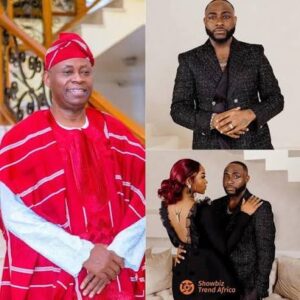
Media Personality Oyemykke Speaks Against Boycott
Among those opposing the boycott is media personality Oyemykke, who described the campaign against Tyla as misplaced.
In a video shared on social media on July 27, 2026, he said:
“Nigerians are still in South Africa doing business. We can’t be telling singer Tyla not to come to Nigeria.”
Oyemykke argued that thousands of Nigerians continue to live, study, work and invest in South Africa despite recurring diplomatic tensions between both countries. According to him, it would be contradictory for Nigerians to maintain businesses and pursue opportunities in South Africa while demanding that a South African entertainer be prevented from performing in Nigeria.
He stressed that Tyla is neither a politician nor a government representative and therefore should not be blamed for xenophobic attacks allegedly carried out by criminal elements in South Africa.
“She is an artist. She did not attack anybody. We should separate entertainment from politics.”
He further maintained that music has historically served as a bridge between cultures and should be used to strengthen unity across Africa rather than deepen existing divisions.
Why the Concert Has Become Controversial
The calls for a boycott are rooted in longstanding frustrations over repeated xenophobic attacks against foreign nationals in South Africa, particularly Nigerians.
Over the years, several incidents involving violence, looting and the destruction of businesses belonging to foreign nationals have been reported in parts of South Africa. Nigerian-owned shops have been attacked, while some Nigerians have lost their lives or sustained injuries during outbreaks of xenophobic violence.
Each wave of attacks has sparked diplomatic protests from the Nigerian Government, public condemnation from civil society groups and widespread anger among Nigerians both at home and abroad.
Against this backdrop, some Nigerians believe hosting a major South African artiste in Lagos without first addressing concerns over the safety of Nigerians in South Africa sends the wrong message.
For these critics, the issue extends beyond entertainment; they see it as one of national dignity, justice and solidarity with Nigerians who have suffered from xenophobic violence.
Nigeria and South Africa: A Complex Relationship
Nigeria and South Africa share one of Africa’s most significant bilateral relationships.
During the struggle against apartheid, Nigeria was one of the strongest supporters of South Africa’s liberation movement, providing diplomatic, political and financial support to anti-apartheid activists. Following the end of apartheid in 1994, both countries developed close economic and cultural ties, becoming two of Africa’s leading economies.
Today, Nigerian businesses operate in South Africa, while several South African companies have established significant investments in Nigeria. Likewise, musicians, actors and entertainers from both countries regularly collaborate and perform across national borders.
Despite these strong ties, repeated xenophobic attacks have remained a major source of tension, periodically straining relations between the two nations and prompting calls for stronger protection of African migrants living in South Africa.
No Official Cancellation of the Concert
Although social media has been flooded with calls for Tyla’s Lagos concert to be cancelled, there has been no official announcement by the Federal Government of Nigeria, any security agency or relevant regulatory authority cancelling the event as of July 30, 2026.
The campaign remains a public movement driven largely by online commentators, influencers and concerned citizens expressing their dissatisfaction over the treatment of Nigerians in South Africa.
Supporters Of Boycott Speak Up
Those backing the boycott argue that allowing the concert to proceed without addressing the recurring attacks against Nigerians would amount to ignoring the suffering of fellow citizens.
Some of the views expressed online include:
“Nigeria must stand with its citizens before celebrating foreign entertainers.”
“This is bigger than music. It is about protecting Nigerian lives.”
“A peaceful boycott is a legitimate way of demanding accountability and justice.”
“Until Nigerians can live safely in South Africa, cultural exchanges should be reconsidered.”
“Boycotting the concert is not hatred for Tyla; it is a protest against xenophobia.”
Supporters believe that a successful boycott would draw international attention to the plight of Nigerians living in South Africa and encourage stronger diplomatic engagement between both countries.
Critics Reject the Boycott
On the other hand, many Nigerians have criticised the campaign, insisting that Tyla should not become the target of public anger over issues beyond her control.
Some of their reactions include:
“Tyla is a musician, not a government official.”
“Art should unite Africa instead of dividing it.”
“Boycotting one singer will not solve the problem of xenophobia.”
“Thousands of Nigerians still live and operate successful businesses in South Africa despite the challenges.”
“Governments should resolve diplomatic issues, while entertainers continue to build cultural connections.”
Those opposed to the boycott believe that meaningful dialogue between the governments of Nigeria and South Africa, coupled with effective law enforcement, offers a more practical solution to xenophobic violence than targeting individual entertainers.
Overall, the debate surrounding Tyla’s proposed Lagos concert has become a reflection of broader concerns about xenophobia, diplomacy and African solidarity. While many Nigerians see the boycott campaign as a justified protest against the continued attacks on their compatriots in South Africa, others including media personality Oyemykke maintain that individual artistes should not be punished for problems created by criminal elements or governmental failures.
As public discussions continue, there is currently no verified official decision cancelling Tyla’s Lagos concert. Whether the event eventually proceeds or not, the controversy has once again drawn attention to the urgent need for stronger protection of migrants, sustained diplomatic engagement and deeper cooperation between two of Africa’s most influential nations.
Like Our Story ? Donate to Support Us, Click Here
You want to share a story with us? Do you want to advertise with us? Do you need publicity/live coverage for product, service, or event? Contact us on WhatsApp +16477721660 or email Adebaconnector@gmail.com